
7/8
Plant-Based Leaders | Algae Biomass Organization
For this edition of Plant-Based Leaders, we interviewed Kevin McGraw, the Executive Director of the Algae Biomass Organization (ABO), and Dr. Dylan Franks, who serves as ABO’s President and Chairperson. As the algae industry’s leading trade association, ABO champions the transformative potential of algae as a cornerstone of sustainable solutions for a thriving global future.

Kevin McGraw, Executive Director, Algae Biomass Organization

Dr. Dylan Franks, President and Chairperson, Algae Biomass Organization
Q
What role does your organization, the Algae Biomass Organization (ABO), play in your industry?
A
We are the leading trade association representing the U.S. algae industry. We advance algae-based technologies and markets by bringing together companies, entrepreneurs, investors, researchers, students, national laboratories, and government partners.
ABO serves as a convener, educator, and advocate. We strengthen connections across the algae value chain, promote commercialization, support sound public policy, and provide a forum where partnerships can emerge. Through the Algae Biomass Summit and the Congressional Algae Caucus, we help ensure algae remains part of the conversation about the future of the bioeconomy.
Q
What makes algae such a versatile platform?
A
Algae can produce a remarkable range of compounds and products while using underused resources.
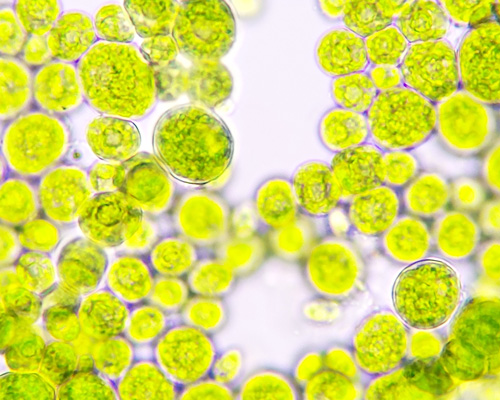
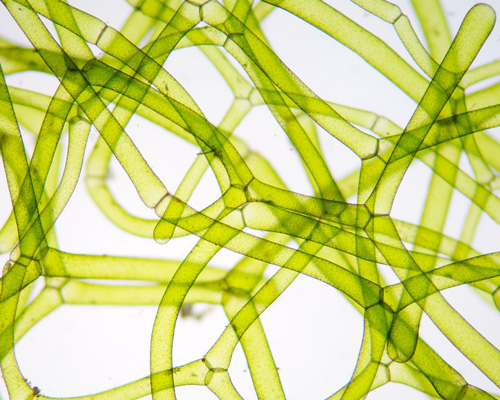
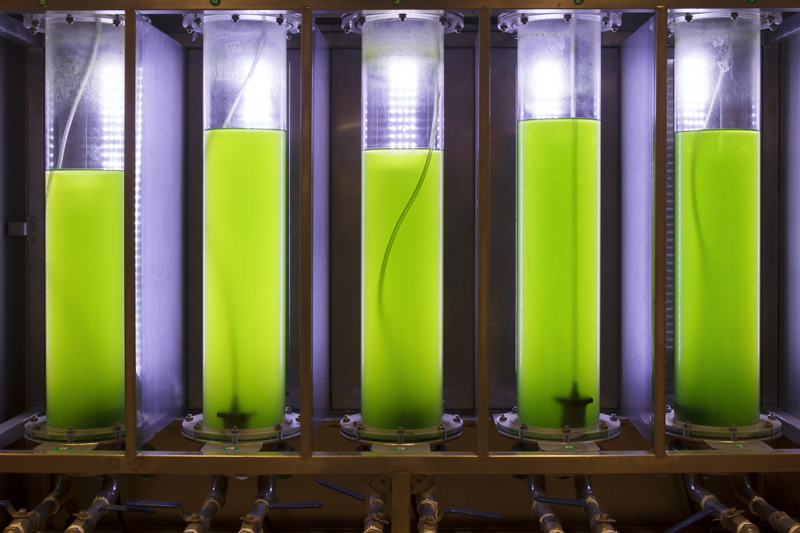
Different algae species can be cultivated for proteins, lipids, carbohydrates, pigments, specialty chemicals, bioplastic precursors, animal feed ingredients, fuels, wastewater treatment, carbon capture applications, and more. In many cases, algae can also be grown using saline water, industrial emissions, wastewater streams, and non-arable land. That versatility allows algae to complement existing systems while opening new opportunities for domestic production and manufacturing.
Q
Where do you see the strongest connection between algae and the broader biobased products industry?
A
The bioeconomy will not be built on one feedstock. Success will require a portfolio of biological resources that can serve different markets, geographies, and supply chains. Algae complements agriculture, forestry, fermentation, and other biomass resources. As manufacturers look for resilient domestic supply chains and sustainable sources of carbon, algae provides another important tool.
Q
Can you provide examples of algae-based technologies or organizations that illustrate the industry’s advances?
A
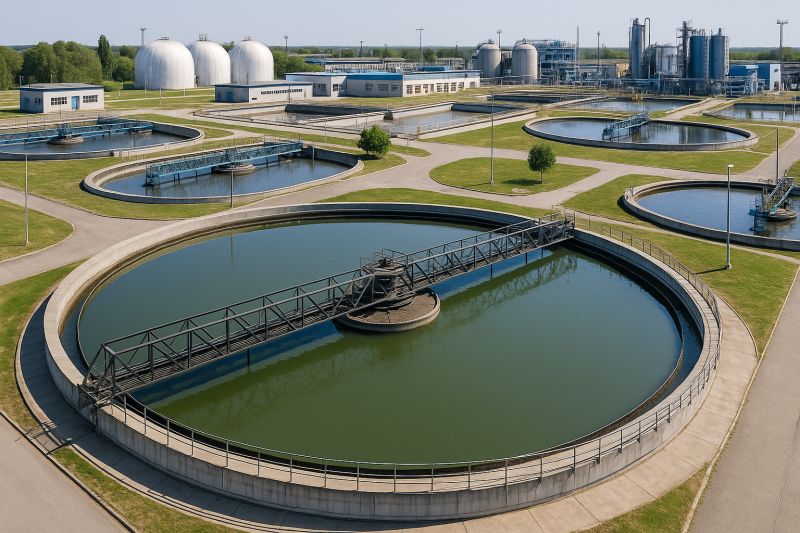
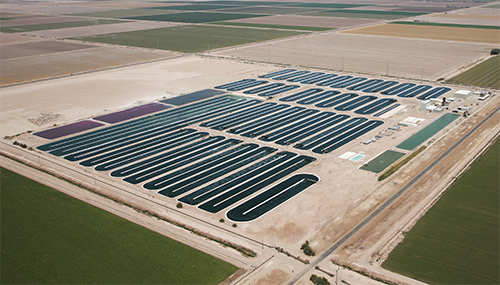
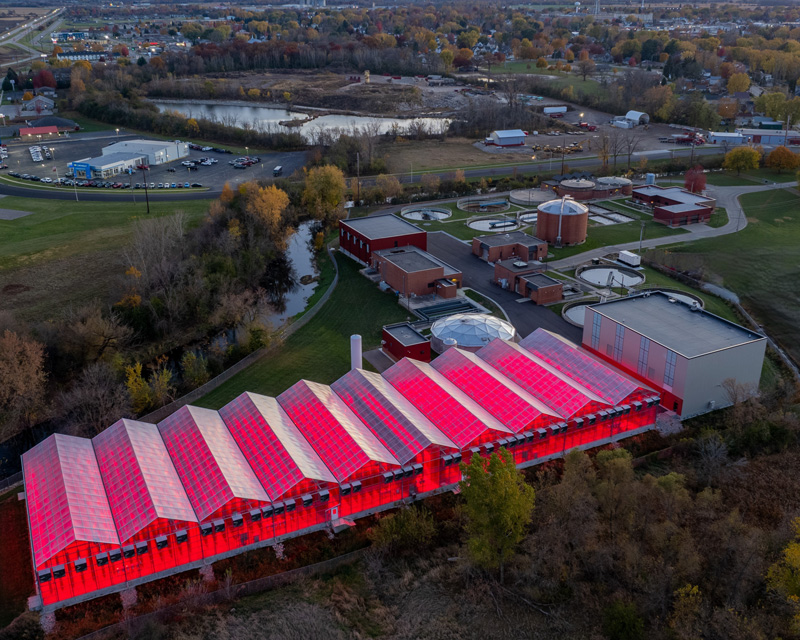
Our industry is incredibly diverse and is tackling a broad array of challenges. Global Algae Innovations is advancing commercial cultivation and carbon utilization technologies. Gross-Wen Technologies offers algae-based wastewater treatment solutions. Cyanotech Corporation, a commercial microalgae producer in Hawaii, demonstrates the long-term viability of algae-derived nutraceuticals and specialty products.
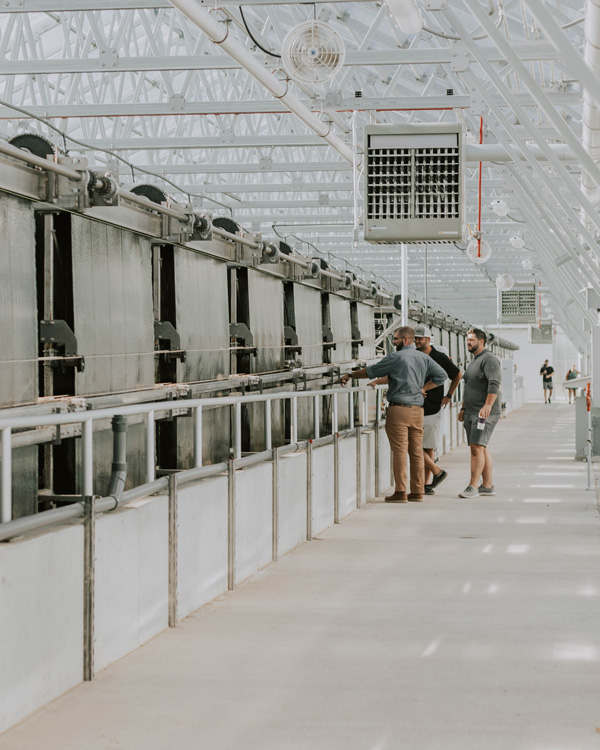

Eurofins Scientific provides testing, quality assurance, and analytical infrastructure that supports commercialization, while the Arizona Center for Algae Technology and Innovation at Arizona State University connects research, education, and commercial development.
Q
Can you share some of the contributions ABO members and the broader algae value chain make to the U.S. economy and job growth?
A
The algae industry contributes to many aspects of the U.S. economy, including manufacturing, agriculture, environmental services, biotechnology, food production, R&D, and workforce development. ABO members range from startups and small businesses to commercial producers, service providers, engineering firms, universities, and national laboratories.
Our members are job creators in the high-value fields of biology, engineering, chemistry, agriculture, manufacturing, data science, operations, and business development.
Activity is especially strong in Arizona, California, Hawaii, Texas, New Mexico, Florida, and North Carolina, with growing opportunities in the Midwest and Gulf Coast.
As markets mature, we expect algae’s economic contribution to grow alongside demand for domestic biobased products, renewable materials, and advanced manufacturing.
Q
How is the industry managing the transition from research to commercialization?
A
We are seeing an increasing focus on commercialization rather than theoretical potential. Companies are expanding production, developing new products, entering strategic partnerships, and attracting customers in markets ranging from food and feed to wastewater treatment, specialty ingredients, pigments, carbon utilization, and advanced materials.
There is growing investor interest as well, especially where algae offers advantages that are difficult to replicate with other feedstocks. Challenges remain, particularly around scale and cost, but a growing body of commercial success stories demonstrates algae’s value today. The question is no longer whether algae has a role to play in the bioeconomy. The question is how quickly we can accelerate adoption and scale the opportunities in front of us.
Q
ABO’s membership is incredibly diverse. What does that mix tell us?
A
It tells us the industry is maturing.
Students and researchers show that innovation continues to advance. Commercial companies show markets are developing. Government agencies and national laboratories highlight algae’s importance to broader economic and policy goals.
Most importantly, algae is not a niche discipline operating in isolation. It is part of a much larger conversation about the future of the bioeconomy.
Q
ABO, as an organization, is experiencing a period of renewed energy and growth. How would you describe this next chapter?
A
There is growing recognition that the future of the ag bioeconomy will require diverse feedstocks, resilient supply chains, and innovative technologies.
Algae is positioned to contribute in each of those areas, with increased participation from industry, government, academia, investors, and international partners.
Q
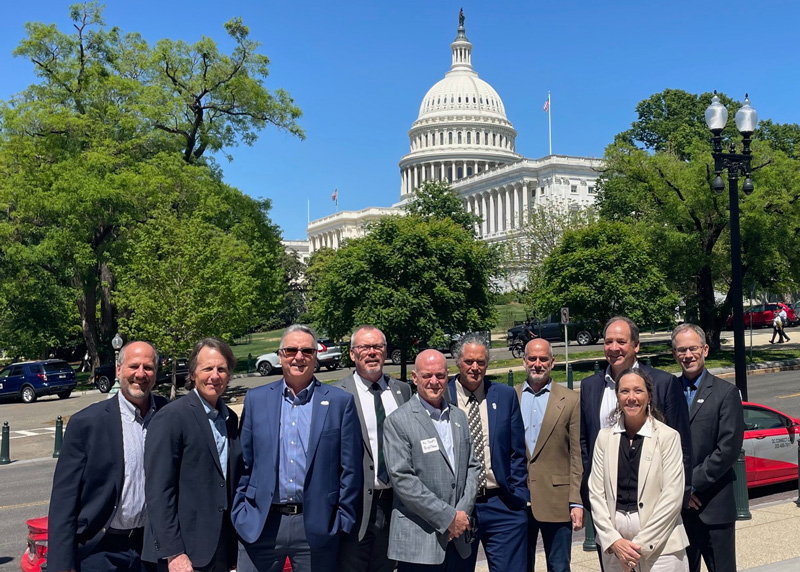
ABO helped relaunch the Congressional Algae Caucus in 2025. What does that kind of congressional engagement mean for your members?
A
The Caucus provides an important bipartisan forum for educating policymakers about algae’s opportunities and challenges. As participation has grown, the Caucus has helped congressional offices engage directly with industry leaders, researchers, and stakeholders.
That engagement improves awareness of how algae intersects with agriculture, energy, manufacturing, environmental stewardship, defense, and rural development. It also signals that algae is increasingly recognized as a relevant component of the broader bioeconomy conversation.
Q
What are ABO’s top federal policy priorities?
A
We are focused on creating a supportive environment for commercialization and long-term industry growth.
First, we advocate for greater recognition of algae as a feedstock across federal programs and agencies. Often, algae doesn’t fit neatly into existing federal categories, which can create barriers to participation.
Second, we support policies that encourage rural economic development, domestic manufacturing, and regional bioeconomy ecosystems.
Third, we are driving efforts to expand markets for biobased products and renewable materials while ensuring emerging feedstocks can compete on a level playing field.
Finally, we focus on R&D, demonstration, and scale-up programs that help bridge the gap between innovation and commercialization.
Q
Why is federal support important for algae-related work, in areas like the Farm Bill and the Department of Energy’s Alternative Fuels and Feedstocks research?
A
Federal appropriations language, including support in the House for algae-related activities within DOE’s Alternative Fuels and Feedstocks section, reflects growing awareness of emerging technologies and industries. It demonstrates that policymakers increasingly recognize algae’s potential contributions to national priorities. Even before final funding decisions, that recognition matters.
In the Farm Bill, one of the biggest opportunities is ensuring that algae is appropriately recognized within programs designed to support agricultural innovation, feedstock development, rural economic growth, and biobased products. Historically, algae has sometimes fallen between traditional policy categories, which can make participation more challenging than it should be.
And federal support can also help reduce risk for first-of-a-kind projects, validate emerging technologies, and accelerate the transition from laboratory success to commercial deployment.
Q
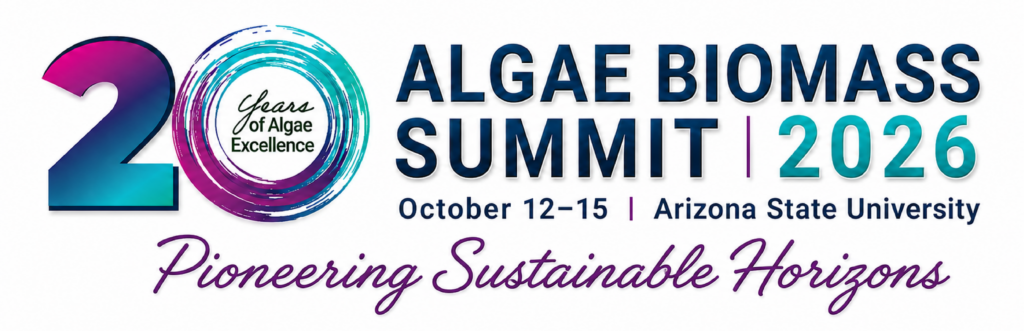
ABO’s Algae Biomass Summit is coming up this October in Tempe, Arizona. Tell me why I shouldn’t miss it.
A
We host the premier gathering of the algae industry in North America, and this is one of the most important events for the global algae community. What makes the Summit unique is the breadth of participation. Attendees include commercial companies, entrepreneurs, investors, researchers, students, national laboratories, government agencies, policymakers, and international stakeholders.
The Summit brings technical innovation, business development, investment, and policy discussions under one roof. Whether someone is developing technologies, seeking investment, exploring partnerships, conducting research, evaluating policy, or trying to better understand the industry, the Summit offers an unmatched opportunity to engage directly with leaders from across the ecosystem.
We want attendees to leave with new relationships, new ideas, and a deeper appreciation for the progress being made throughout the industry.
Q
What is the most important takeaway concerning algae’s role in the biobased economy?
A
We would encourage people to view algae not as a replacement for other feedstocks, but as an important addition to the portfolio of solutions needed to build a resilient bioeconomy.
Perhaps most importantly, algae offers flexibility. Different species, production systems, and end markets allow algae to address challenges across multiple sectors simultaneously. That versatility makes algae a valuable strategic asset for the future economy.
Q
Is there anything else you want PBPC’s audience to know about ABO and the opportunity ahead?
A
The algae industry has always been driven by people willing to tackle difficult challenges and think beyond conventional approaches.
Today, our members are building companies, creating jobs, developing technologies, opening markets, and helping strengthen America’s position within the global bioeconomy. They are working across disciplines and sectors to create solutions that support economic growth, environmental stewardship, and long-term competitiveness.
ABO is proud to serve as a home for that community. We are optimistic because we see progress every day. The opportunity ahead is significant, but success will continue to depend on collaboration among industry, government, academia, investors, and customers. Our members are not waiting for the future to arrive. They are building it today.
Join our growing group of plant-based leaders working toward a more sustainable economy. Learn more about the benefits of PBPC membership.