
12/10
COP30 Elevates the Global Ag Bioeconomy

COP30 in Belém, Brazil, marked a major milestone for biobased solutions on the world stage. For the first time, the Conference included the bioeconomy as a strategic objective of its official Action Agenda – Objective 29 on bioeconomy and biotechnology – signaling growing recognition of its role in climate mitigation, economic development, and nature-based solutions.
The Conference also dedicated two thematic days to discussions on the bioeconomy, and Brazil appointed the first-ever Climate Envoy for the Bioeconomy, Marcelo Behar.
During COP30, the Bioeconomy Challenge was launched, a global platform designed to scale the bioeconomy worldwide by 2028.
Building on the foundations laid during the G20 presidencies of Brazil (2024) and South Africa (2025), the initiative seeks to translate the 10 High-Level Principles on the Bioeconomy into action. The goal of the Bioeconomy Challenge is to grow markets for biobased solutions, protect ecosystems, accelerate decarbonization, and foster a sociobioeconomy that supports fair and inclusive growth.
“The bioeconomy is an essential part of the roadmap to end deforestation and to promote a just transition toward a new cycle of prosperity. It replaces a predatory economy with one that is sustainable and regenerative, rooted in biodiversity-based products that can generate food, pharmaceuticals, cosmetics, fibers, bio-inputs, biomaterials, and traditional knowledge. I am very hopeful that we can create a new cycle of prosperity—diverse, sustainable, and fair for all,” said Brazil’s Minister of the Environment and Climate Change, Marina Silva, during the launch event.
COP30 was also the first Climate Conference to feature a dedicated AgriZone, a space highlighting agriculture’s role in climate solutions. AgriZone brought together farmers, producers, and industry experts to share practical approaches and innovations. Attendees could visit demonstration farms, see biobased products on display, and learn how sustainable agriculture and circular systems are driving climate action and economic growth.
PBPC at COP30
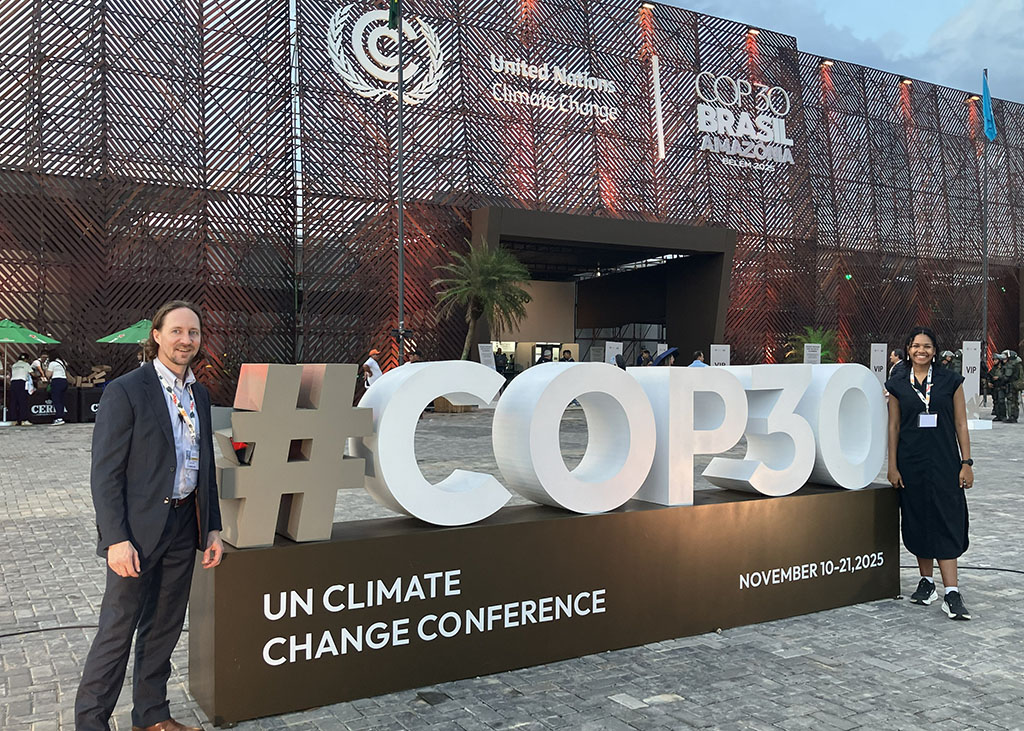
At COP30, PBPC helped spotlight a growing global consensus: the bioeconomy is becoming one of the most powerful tools for climate action and economic growth. Conversations throughout the Conference reinforced that renewable, plant-based materials can replace traditional materials across major sectors, from packaging and textiles to fuels and industrial chemicals, and do so while strengthening rural economies and cutting emissions. This represents a major opportunity for the United States, which is one of the world’s top producers of agricultural commodities.
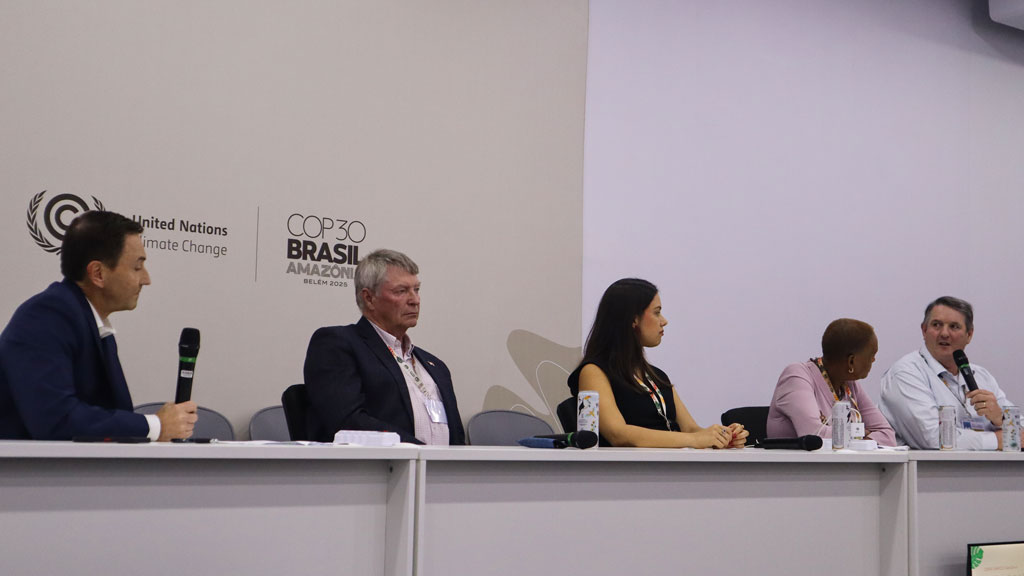
PBPC spoke at four public-facing events and participated in additional private roundtables throughout the Conference, working alongside key partners including the U.S. Grains and Bioproducts Council, U.S. Farmers and Ranchers in Action, Farm Journal Foundation, Solutions from the Land, Protein PACT, the Business Council for Sustainable Energy, and our member companies. We also maintained a strong presence on panels with farmers and ranchers, ensuring that the voices of those at the heart of the agricultural bioeconomy were front and center in the discussions.
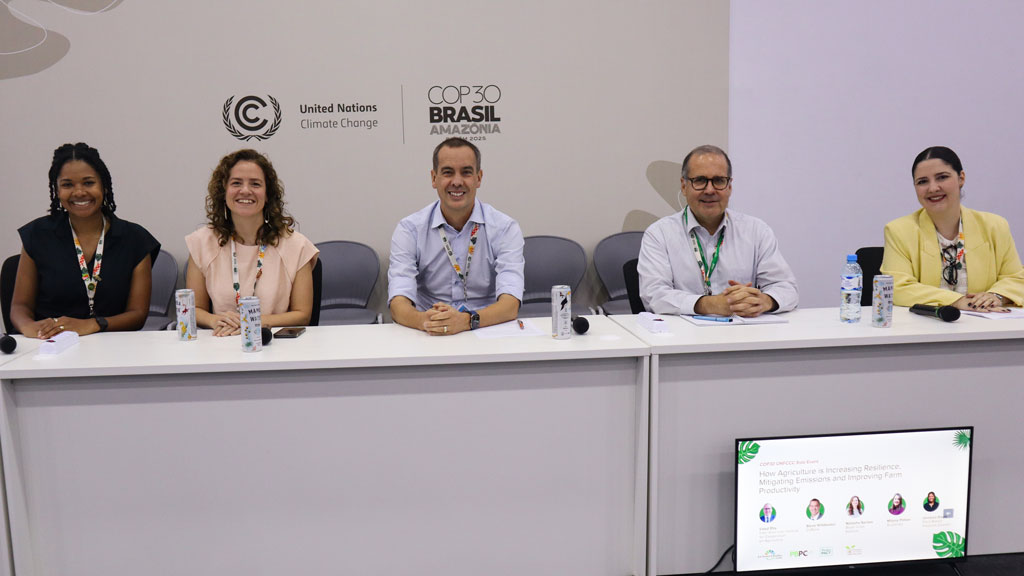
PBPC emphasized that scaling the ag bioeconomy requires strong policy foundations. We underscored the need to expand biomanufacturing capacity, accelerate innovation, and build circular systems that keep carbon circulating in the economy. With the U.S. biobased industry already supporting nearly 4 million jobs and creating new markets for farmers, the stakes are high: the nations that invest now will shape the future of sustainable manufacturing, trade, and rural development. It’s critical to the economy that the U.S. continues its commitments to growing this sector.
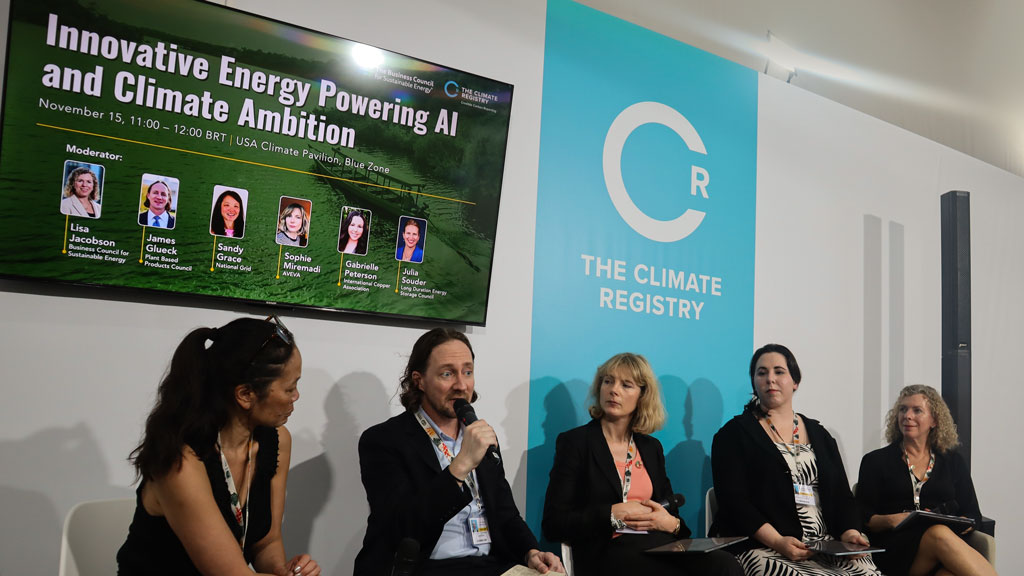
Technology and innovation were also central to the dialogue. From AI-enabled farming tools to advanced material R&D, the next wave of biobased solutions is being shaped by rapid technological progress. These advancements can increase efficiency, reduce inputs, and expand the use of biobased feedstocks across the entire value chain. As global competitors race to secure their own biomanufacturing hubs, the competition for climate leadership is intensifying. China’s prominent presence at COP highlighted this dynamic, emphasizing the importance of continued U.S. engagement in these conversations to maintain competitiveness and leadership in the space.
COP30 made clear that the ag bioeconomy is no longer emerging but accelerating, and its strategic trajectory will be set with or without U.S. government involvement.
We are proud that PBPC’s presence helped ensure that U.S. agriculture, innovation, and manufacturing strengths are reflected in global climate and economic strategies. As countries build the policies and partnerships that will define the next generation of sustainable growth, maintaining a strong U.S. voice at forums like COP is critical to advancing American interests and unlocking the full potential of plant-based solutions.